
The Impact of War on Tourism and the Rise of Local Pool Tourism
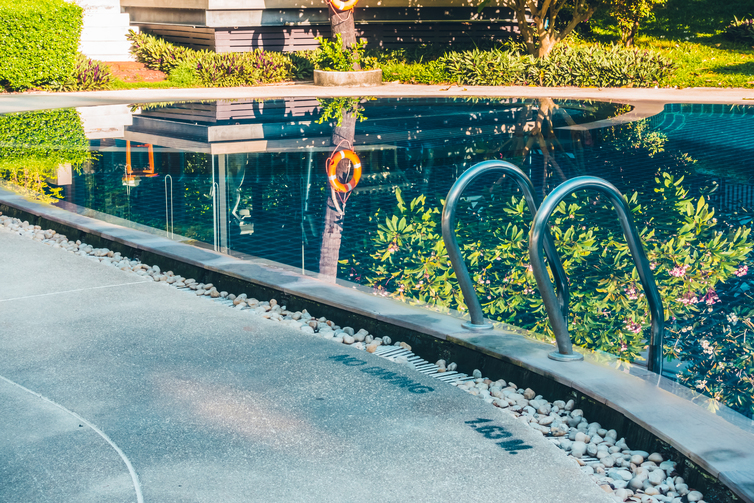
Tourism has always been one of the most sensitive industries in the world. Political instability, economic uncertainty, natural disasters, and global conflicts can quickly affect travel patterns across countries. In recent years, regional tensions and war-related concerns have caused many travelers to cancel international trips, reduce spending, or avoid certain destinations entirely.
When people feel uncertain about safety, they naturally begin looking for alternatives closer to home. This shift has led to the growing popularity of what many now call “local tourism” or “staycation culture.” Among the biggest beneficiaries of this trend are private villas, resorts, and residential properties with swimming pools.
As international travel becomes more unpredictable during crisis periods, local pool tourism is emerging as a practical and increasingly popular alternative for families and individuals seeking relaxation without long-distance travel.
How War Impacts the Tourism Industry
War and regional conflict affect tourism in several ways. The first and most immediate impact is fear and uncertainty. Travelers often avoid nearby regions even if the conflict itself is not directly affecting tourist destinations.
Airline routes may become restricted, ticket prices can increase, and travel advisories may discourage international movement. Businesses connected to tourism including hotels, travel agencies, restaurants, and entertainment sectors often experience sudden drops in bookings. Even countries not directly involved in conflict may feel the effects because tourism is closely connected to global confidence and mobility. Travelers today prioritize:
- Safety
- Stability
- Convenience
- Financial security
During uncertain times, international vacations may no longer feel like the best option for many families.
The Shift Toward Local Tourism
As global travel becomes more difficult or expensive, people naturally begin exploring nearby destinations instead of traveling abroad. This has led to a strong rise in:
- Staycations
- Local resorts
- Weekend retreats
- Short-distance leisure travel
Instead of spending heavily on flights and international accommodation, many families now choose comfortable local experiences that feel safer and more manageable. This trend is especially visible in regions where luxury villas, private pools, and resort-style homes are already popular.
Why Swimming Pools Are Becoming Central to Local Tourism
Swimming pools have become one of the main attractions for local tourism because they offer relaxation, entertainment, and privacy in one space.
During stressful periods caused by war-related news or economic uncertainty, people often look for ways to mentally disconnect without dealing with crowded airports or complicated travel plans. Pools create an environment that feels:
- Safe
- Private
- Family-friendly
- Convenient
For many people, spending a weekend at a villa with a pool now replaces the idea of an expensive international vacation.
The Rise of Pool Staycations
The concept of “pool staycations” has grown rapidly over the past few years. Families increasingly book:
- Private villas
- Holiday homes
- Local resorts
- Airbnb properties with pools
The demand rises even further during periods of global uncertainty. People still want leisure and relaxation, but they prefer destinations within driving distance where they feel more secure and in control. This shift has created new opportunities for hospitality businesses and property owners.
Economic Benefits of Local Pool Tourism
One major advantage of local tourism is that it helps keep spending within the local economy. When residents choose nearby resorts and rental properties:
- Local businesses benefit
- Restaurants receive more customers
- Property rentals increase
- Service industries continue operating
Swimming pool maintenance companies, cleaning services, landscaping providers, and hospitality businesses also benefit from increased demand. In many regions, local tourism helps reduce the financial impact that global tourism slowdowns create during crisis periods.
Private Experiences Are Becoming More Valuable
Modern travelers increasingly value privacy over crowded tourism experiences. During uncertain times, people often avoid:
- Large tourist groups
- Crowded attractions
- Busy airports
- Public transportation
Private pools offer controlled and peaceful environments where families can relax comfortably. This growing preference for privacy is one reason why villas with pools often perform better than traditional hotel accommodations during unstable global situations.
Mental Wellness and Escapism
Global conflicts and continuous exposure to negative news can affect mental health and emotional well-being. Many people now seek short escapes to recharge mentally without committing to expensive international travel.
Swimming pools contribute strongly to relaxation because water environments naturally promote calmness and stress relief. Pool tourism provides:
- Mental relaxation
- Family bonding time
- Reduced screen exposure
- A break from daily stress
In difficult periods, even small local getaways can significantly improve emotional well-being.
How the Hospitality Industry Is Adapting
Hotels, resorts, and property owners are increasingly adapting to this shift in tourism behavior. Many businesses now focus on:
- Family-friendly pool packages
- Weekend staycation offers
- Private pool experiences
- Wellness-focused accommodations
Some resorts are even redesigning spaces to create more privacy-focused experiences instead of large shared tourism environments. The hospitality industry understands that traveler priorities are changing.
Increased Demand for Pool Construction and Maintenance
As pool tourism grows, the demand for Swimming pool construction, Pool renovation, Pool maintenance and Energy-efficient pool systems has also increased.
Property owners recognize that pools are becoming valuable investments that attract local tourists and short-term renters. Modern pools are now designed not only for aesthetics but also for Comfort, Sustainability, Lower maintenance costs and Enhanced guest experiences. This has created opportunities for businesses involved in pool design and maintenance services.
Challenges Facing Local Pool Tourism
Although local tourism is growing, it also comes with challenges. Increased pool usage means:
- Higher maintenance requirements
- Greater water consumption
- Increased electricity use
Property owners must ensure pools remain clean, safe and properly maintained. Neglected pool systems can quickly reduce guest satisfaction and create health risks. Sustainability is also becoming an important concern, especially in regions facing water and energy pressures.
Technology Is Supporting Smarter Pool Tourism
Modern technology is helping pool owners manage increasing demand more efficiently. Smart pool systems now allow:
- Automated cleaning
- Remote monitoring
- Energy-efficient filtration
- Water-saving controls
These innovations help maintain quality while reducing operating costs. As local tourism continues to grow, technology will likely play a major role in making pool experiences more sustainable and affordable.
Why This Trend May Continue Beyond Crisis Periods
Although war and global uncertainty may trigger changes in tourism behavior, many experts believe local tourism will continue growing even after conditions improve. People are discovering that local experiences can still provide:
- Relaxation
- Luxury
- Convenience
- Family connection
Without the stress of long-distance travel.
Shorter vacations, flexible travel plans, and affordable leisure experiences are becoming more appealing to modern consumers. This means pool tourism may continue evolving as a long-term lifestyle trend rather than a temporary response to crisis situations.
The Future of Tourism Is Becoming More Localized
Tourism is gradually becoming more flexible and experience-focused. Instead of prioritizing only international destinations, travelers are now valuing comfort, privacy, and convenience closer to home. Pools have become symbolic of this change because they offer a resort-style experience without requiring complicated travel arrangements. In many ways, local pool tourism reflects how consumer priorities are changing in uncertain times:
- Safety over distance
- Comfort over luxury spending
- Private experiences over crowded travel
This shift is likely to shape the tourism industry for years to come.
Final Thoughts
War and global instability continue to impact international tourism in many ways, influencing how people travel, spend, and relax. As uncertainty grows, local tourism has become a practical and appealing alternative for many families and individuals.
Swimming pools are now playing a major role in this transformation. From private villas to local resorts, pool-focused tourism offers relaxation, convenience, privacy, and emotional comfort during stressful times.
The rise of local pool tourism also highlights a larger shift in consumer behavior. People are learning that meaningful leisure experiences do not always require international travel. Sometimes, relaxation can be found much closer to home. As tourism continues evolving, businesses connected to hospitality, pool construction, and maintenance may find growing opportunities in this new local-first travel landscape.
For construction support and reliable swimming pool service , visit PoolTech.
FAQs
1. What is sustainable pool construction?
Sustainable pool construction focuses on building pools that use less energy, conserve water, and reduce environmental impact.
2. How can I reduce pool energy consumption?
Using variable-speed pumps, LED lighting, solar heating, and smart automation can significantly reduce energy usage.
3. Are solar pool heaters effective?
Yes, solar heating systems are highly effective in sunny climates and help lower long-term heating costs.
4. Why are pool covers important?
Pool covers reduce water evaporation, maintain temperature, and lower cleaning and chemical requirements.
5. Is sustainable pool construction expensive?
The initial cost may be slightly higher, but long-term savings on energy, water, and maintenance often make it cost-effective.
