
Safety Standards Every Commercial Pool Must Meet
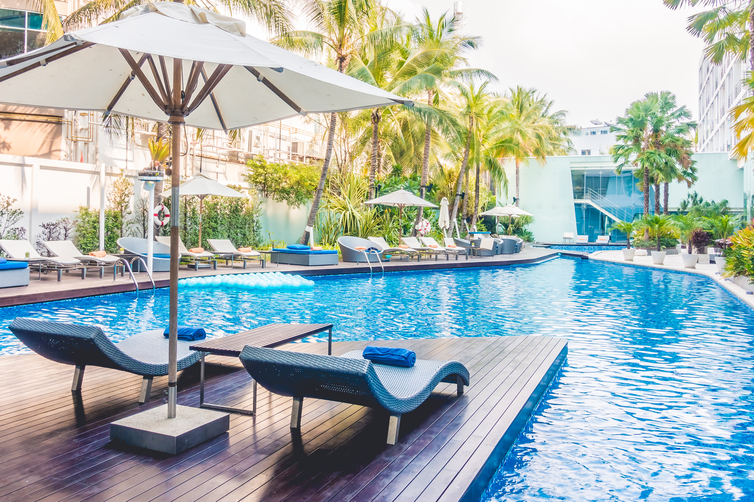
Commercial swimming pools are more than just recreational spaces. They are places where people gather for relaxation, fitness, and entertainment, which means safety must always be the highest priority. Hotels, resorts, gyms, schools, residential communities, and public facilities all have a responsibility to maintain pools that are safe, clean, and compliant with required standards.
A pool that looks attractive is not enough. Behind every successful commercial pool is a combination of proper planning, quality construction, regular inspections, and strict maintenance practices. From water quality control to emergency preparation, every detail contributes to creating a safe swimming environment.
As the demand for modern leisure facilities continues growing, businesses investing in swimming pool construction in Dubai must consider safety standards from the earliest design stage. A well-planned pool does not only improve user experience but also reduces risks and long-term maintenance challenges.
Why Commercial Pool Safety Matters
Commercial pools usually experience much higher usage compared to residential pools. A hotel pool may have hundreds of swimmers every day, while fitness centers and community pools often operate for long hours with continuous activity.
High usage increases the chances of:
- Water contamination
- Equipment problems
- Slippery surfaces
- Safety incidents
This is why commercial pools require stronger safety systems and more frequent monitoring. A safe pool protects visitors, supports business reputation, and helps avoid unexpected operational issues. When customers see that a facility prioritizes safety, they are more likely to trust and return to that location.
Proper Pool Design and Construction Standards
Safety begins before the first person enters the pool. The design and construction stage plays a major role in determining how safe and efficient a commercial pool will be.
A properly designed pool should consider factors such as depth levels, pool layout, circulation systems, and accessibility. Different areas may require different depths depending on their purpose. For example, children’s sections, training areas, and recreational zones should be clearly planned.
During swimming pool construction in Dubai, professionals focus on creating structures that can handle local environmental conditions, including high temperatures and frequent usage. Choosing the right materials and construction methods helps prevent future issues such as leaks, cracks, and surface damage. A strong foundation and reliable equipment installation create the base for long-term pool safety.
Maintaining Safe Water Quality
One of the most important safety requirements for any commercial pool is maintaining clean and balanced water.
Poor water quality can create health risks for swimmers. If chemicals are not properly balanced, pools may develop problems such as bacteria growth, algae formation, or skin irritation. Regular water monitoring helps ensure:
- Proper chemical balance
- Clear visibility
- Healthy swimming conditions
- Better equipment performance
Commercial pools require consistent testing because water conditions can change quickly due to weather, heavy usage, and environmental factors. Automated monitoring systems are becoming more common because they help operators track water conditions more accurately and respond faster when adjustments are needed.
Effective Filtration and Circulation Systems
A pool’s filtration system works continuously to remove unwanted particles and maintain clean water. Without proper circulation, chemicals cannot distribute evenly, and certain areas may become more vulnerable to contamination.
A reliable circulation system ensures that:
- Water moves properly throughout the pool
- Filters capture impurities effectively
- Chemical treatment works efficiently
Commercial pools should have professionally installed filtration systems that match the size and usage level of the facility. Regular inspection of pumps, filters, and related equipment is also essential. Even high-quality systems can lose efficiency if they are not maintained properly.
Slip-Resistant Pool Areas
Many pool-related accidents happen outside the water rather than inside it. Wet surfaces around pools can become extremely slippery, creating risks for swimmers and visitors. Safety-focused pool designs include materials that provide better grip in wet conditions. Walkways, pool edges, changing areas, and shower zones should all be carefully considered.
Proper drainage is another important factor. Water should flow away efficiently instead of collecting around the pool area. A well-designed pool deck improves both safety and comfort for users.
Proper Lighting and Visibility
Good visibility is essential for commercial pool safety, especially in facilities that operate during evening hours or indoor environments.
Adequate lighting helps swimmers and staff clearly see:
- Pool boundaries
- Depth changes
- Entry and exit points
- Surrounding areas
Poor lighting can increase the chance of accidents because people may not notice hazards quickly. Modern pool lighting solutions also improve the overall appearance of the facility while supporting safer operation.
Emergency Equipment and Safety Measures
Every commercial pool should be prepared for unexpected situations. Even with excellent maintenance and supervision, emergencies can happen. Safety equipment should always be easily accessible. This may include rescue tools, first-aid supplies, and clearly marked emergency areas.
Facilities should also have clear procedures for handling incidents. Staff members should know how to respond quickly and effectively when assistance is required. Safety signs are equally important. Visitors should be able to easily understand pool rules, depth information, and restricted areas.
Trained Lifeguards and Staff Awareness
Technology and design can improve safety, but trained people remain one of the most important parts of pool management. Commercial pool staff should understand:
- Emergency response procedures
- Basic rescue practices
- Pool safety rules
- Equipment operation
Lifeguards and staff members help prevent problems by monitoring swimmer behavior and identifying risks early. A well-trained team creates a safer environment for everyone using the facility.
Child Safety Considerations
Many commercial pools attract families, making child safety a major concern. Children require extra protection because they may not fully understand pool risks. Facilities should create safer environments through proper design, supervision, and clear guidelines.
Risks can be decreased with the use of regulated entry points, distinct children’s areas, and obvious depth markers. Parents and guardians also play an important role, but commercial facilities should provide safety measures that support responsible use.
Regular Maintenance and Inspection
Even the best-designed pools require continuous care. Safety is not achieved once — it must be maintained every day. Frequent inspections assist in spotting problems before they get out of hand. This includes checking:
- Pool surfaces
- Pumps and filters
- Water quality
- Safety equipment
- Surrounding areas
Emergency repairs are sometimes more expensive than preventive maintenance. It also helps keep the pool operating smoothly and extends the lifespan of equipment.
Technology Improving Pool Safety
Modern commercial pools are becoming smarter with the introduction of advanced technology.
Many facilities now use automated systems that help monitor:
- Water chemistry
- Temperature
- Equipment performance
- Energy usage
Smart technology allows operators to detect problems faster and maintain better control over daily operations. As pool technology continues improving, safety systems are becoming more efficient and easier to manage.
Why Safety Should Be a Long-Term Investment
Some businesses view safety upgrades as additional expenses, but they are actually long-term investments. A safe commercial pool provides:
- Better customer satisfaction
- Stronger reputation
- Lower repair risks
- Improved operational efficiency
When safety is ignored, the consequences can include accidents, complaints, equipment failures, and costly repairs. Investing in proper design, construction, and maintenance creates a better experience for both businesses and swimmers.
Final Thoughts
Commercial pool safety depends on many factors working together. From the initial planning stage to daily maintenance, every decision affects the safety and performance of the facility.
A successful commercial pool requires strong construction, reliable systems, clean water, trained staff, and continuous monitoring. Businesses that prioritize these standards create environments where people can enjoy swimming with confidence.
Whether building a new facility or upgrading an existing pool, focusing on safety from the beginning helps ensure long-term success and customer satisfaction.
To learn more about professional swimming pool service, contact PoolTech today.
