
Swimming Pool Construction for Dubai Villas: Planning, Design and Key Considerations
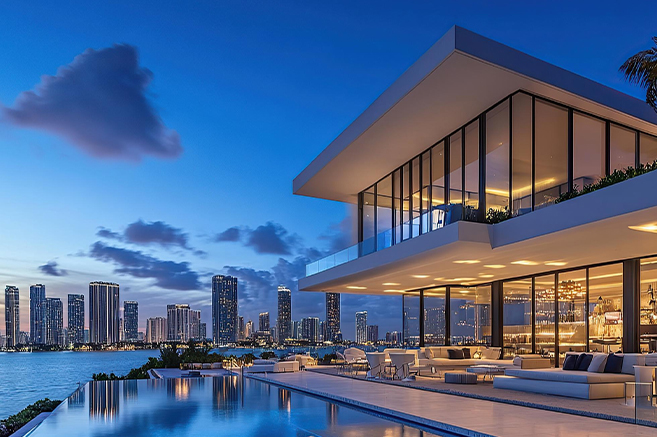
A swimming pool can transform a villa’s outdoor space into a comfortable place for relaxation, family time and entertainment. However, building a swimming pool in Dubai involves more than choosing an attractive shape or selecting tiles. Property owners need to consider available space, soil conditions, design preferences, construction materials, safety requirements and long-term maintenance before starting the project.
Dubai’s hot climate also makes proper planning important. Pool depth, water circulation, filtration, cooling options and surrounding landscaping can all influence how comfortable and practical the finished pool will be.
Whether you are building a pool for a new villa or upgrading an existing outdoor area, understanding the main stages of swimming pool construction in Dubai can help you make informed decisions.
What should you consider before constructing a swimming pool in a Dubai villa?
Before starting construction, assess the available outdoor space, villa layout, soil and ground conditions, budget, pool design, required approvals and equipment needs. It is also important to plan for filtration, water treatment, drainage, electrical safety and future maintenance. Working with experienced swimming pool contractors can help coordinate these requirements from the initial design to the final installation.
1. Evaluate Your Villa's Outdoor Space
- Available garden space: Measure the proposed pool area and consider how much room should remain for pathways, seating and landscaping.
- Villa layout: Check how the pool connects with the living room, outdoor dining area, garden and other outdoor spaces.
- Privacy: Consider neighbouring properties, boundary walls and suitable screening options.
- Sun exposure: Understand how sunlight reaches the pool throughout the day.
- Existing utilities: Identify underground pipes, drainage lines, electrical connections and irrigation systems.
- Construction access: Check whether excavation equipment and building materials can reach the proposed site.
2. Choose a Swimming Pool Design That Suits Your Villa
The right pool design should balance appearance, functionality and available space. Dubai villas have different outdoor layouts, so a design that works well for one property may not be suitable for another.
Here are some popular swimming pool designs to consider.
Rectangular Swimming Pools
Rectangular pools are a practical choice for modern villas. Their simple shape works well with contemporary architecture and can provide enough space for recreational swimming.
They are also suitable for properties where homeowners prefer clean lines and a structured outdoor layout.
Infinity Swimming Pools
Infinity pools create the appearance of water extending towards the surrounding landscape. They are particularly attractive for villas with elevated gardens or views.
However, they require careful structural planning, additional water circulation arrangements and suitable site conditions.
Freeform Swimming Pools
Freeform pools feature curved edges and irregular shapes. They can complement landscaped gardens and outdoor spaces with natural design elements.
Their shape can also be adjusted to fit around existing garden features.
Plunge Pools
Plunge pools are smaller pools designed mainly for cooling off and relaxation rather than extended swimming.
They are worth considering when a villa has limited outdoor space but the owner still wants a dedicated water feature.
Lap Pools
Lap pools are long and narrow, making them suitable for homeowners who want to swim for exercise. Their design focuses more on swimming functionality than recreational activities.
The final choice should depend on the villa’s dimensions, intended use, available budget and surrounding architecture.
3. Understand Dubai's Swimming Pool Construction Approval Requirements
Approvals should be considered before any excavation or construction work begins.
Dubai has specific requirements for swimming pool plans and safety. Under Dubai Law No. 2 of 2026, Article 11, permanent swimming pools cannot be constructed without prior approval of their plans and designs by the relevant authority. This requirement also applies to private residential villas.
Dubai Municipality provides technical guidelines for submitting swimming pool plans. Depending on the project, the drawings may need to include:
- Pool location and dimensions.
- Pool sections and floor slopes.
- Pool deck and surrounding areas.
- Pump room layout.
- Filtration and disinfection systems.
- Water circulation and pipework.
- Electrical arrangements and pool lighting.
- Drainage and backwash water disposal.
- Safety barriers and other relevant safety features.
Property owners should also check whether their villa community or developer requires additional approvals or a No Objection Certificate (NOC).
It is advisable to confirm the applicable requirements with the relevant authority and project consultant before construction begins.
4. Select Suitable Construction Materials
Material selection affects the pool’s durability, appearance, waterproofing and maintenance requirements.
A swimming pool must withstand continuous water exposure, temperature changes and regular chemical treatment. Materials should therefore be selected according to their intended application and suitability for pool construction.
Concrete
Concrete is commonly used for custom-designed swimming pools because it allows flexibility in shape, depth and dimensions.
It is suitable for projects where homeowners want a design that fits a specific villa layout.
Fiberglass
Fibreglass pools are manufactured as preformed shells and installed at the property. They can offer a relatively quick installation process when site access and ground conditions are suitable.
However, available shapes and dimensions depend on the manufacturer’s designs.
Pool Tiles and Finishes
Tiles and other interior finishes influence the pool’s appearance and surface characteristics.
Popular options include:
- Glass mosaic tiles.
- Porcelain pool tiles.
- Ceramic pool tiles.
- Suitable pool plaster and specialist finishes.
The selected finish should be designed for continuous underwater use and installed according to the manufacturer’s specifications.
Waterproofing Systems
Waterproofing is one of the most important parts of swimming pool construction. A suitable waterproofing system helps prevent water leakage and protects the surrounding structure.
The waterproofing method should be compatible with the pool structure, finishes and construction specifications.
5. Plan the Pool Filtration and Circulation System
A well-designed pool needs an efficient circulation and filtration system to maintain clean water.
The circulation pump moves water through the filtration equipment, while the filter removes suspended particles and debris. Water treatment systems help maintain suitable hygiene levels.
Important equipment includes:
- Pool pumps: Circulate water throughout the system.
- Sand or cartridge filters: Remove dirt and suspended particles.
- Skimmers or overflow systems: Collect surface debris and manage water circulation.
- Chlorination systems: Help disinfect the pool water.
- Water testing equipment: Monitor chemical balance and water quality.
- Control systems: Help manage pumps, lighting and other compatible equipment.
The equipment capacity should be selected according to pool volume, expected usage, circulation requirements and the design of the installation.
An efficient system can make regular swimming pool maintenance easier and help prevent avoidable operating problems.
6. Consider Dubai's Climate When Designing Your Pool
Dubai’s climate is an important factor in residential pool planning. High temperatures, strong sunlight and airborne dust can affect water temperature, evaporation and cleaning requirements.
Consider these design features:
Pool Chillers
During particularly hot months, pool water can become warmer than some swimmers prefer. A pool chiller can help maintain a more comfortable temperature.
The appropriate capacity depends on pool volume, outdoor temperature, sunlight exposure and the desired water temperature.
Energy-Efficient Pumps
Pool pumps may operate for several hours each day. Selecting an appropriately sized, energy-efficient pump can help manage electricity consumption without compromising circulation.
Shade and Landscaping
Pergolas, shaded seating areas and carefully selected landscaping can make the poolside environment more comfortable.
However, trees and plants should be positioned carefully to avoid excessive leaves and debris entering the water.
Suitable Pool Covers
A suitable pool cover can reduce evaporation and help limit the amount of dust and debris entering the pool.
It may also help retain heat, depending on the cover type.
7. Include Safety Features in the Pool Design
Important features include:
- Non-slip pool deck materials.
- Suitable steps, ladders and handrails.
- Clearly visible depth markings.
- Appropriate pool barriers and access controls.
- Properly installed underwater lighting.
- Safe electrical installations.
- Accessible rescue and first-aid equipment where required.
Families with children should give particular attention to barriers and restricted access when the pool is not in use.
The final design should comply with applicable Dubai safety requirements and the relevant technical guidelines.
8. Plan the Budget for Swimming Pool Construction in Dubai
A swimming pool depends on a properly connected plumbing system to move water between the pool, pump, filter, and return outlets.
Important plumbing components include:
| Cost factor | What influences the cost? |
|---|---|
| Pool size | Water volume, dimensions and excavation requirements |
| Design | Shape, depth, overflow systems and special features |
| Construction Materials | Structural work, labour and site conditions Concrete, waterproofing, tiles and finishes |
| Equipment | Pumps, filters, dosing systems and controls |
| Additional features | Chillers, heating, lighting and automation |
| Landscaping | Decking, outdoor seating and surrounding finishes |
| Approvals | Applicable permits, consultant and authority fees |
When comparing quotations, check whether excavation, waterproofing, equipment, electrical work, testing, finishing and handover are included.
A detailed quotation makes it easier to understand the project scope and avoid unexpected expenses.
9. Choose Experienced Swimming Pool Contractors in Dubai
Choosing the right contractor is an important decision because swimming pool construction involves several connected stages, from structural work to equipment installation.
Before selecting a swimming pool contractor, consider:
- Previous residential pool projects.
- Experience with villa swimming pool construction.
- Knowledge of applicable Dubai approval requirements.
- Quality of construction materials and equipment.
- Waterproofing and installation methods.
- Project timelines and communication.
- Warranty and after-construction support.
Request a detailed proposal and discuss the design, construction process and maintenance requirements before signing an agreement.
The right contractor should be able to explain the technical aspects clearly and coordinate the different stages of the project.
10. Think About Pool Maintenance Before Construction Is Complete
A swimming pool requires regular care after construction. Planning for maintenance during the design stage can make long-term ownership easier.
Consider the following requirements:
- Easy access to the pump room and filtration equipment.
- Convenient locations for cleaning and servicing equipment.
- Suitable drainage around the pool deck.
- Access to water testing and treatment systems.
- Availability of replacement parts and equipment servicing.
Regular cleaning, water balancing, filter inspections and pump maintenance help keep the pool in good working condition.
Professional swimming pool maintenance services can also help identify potential issues before they develop into costly repairs.
Frequently Asked Questions
1. How much does it cost to build a swimming pool in a Dubai villa?
The cost depends on the pool’s dimensions, design, construction materials, equipment, additional features and site conditions. A customised quotation based on a property inspection is the best way to estimate the total investment.
2. Do I need approval to build a swimming pool in a Dubai villa?
Yes. Dubai Law No. 2 of 2026 requires prior approval of permanent swimming pool plans and designs, including those for private residential villas. Property owners should also check any additional community or developer requirements.
3. What is the best swimming pool design for a Dubai villa?
The best design depends on available outdoor space, villa architecture and intended use. Rectangular pools suit modern layouts, while freeform and infinity pools may be appropriate for properties with specific landscaping or views.
4. Which construction material is best for a villa swimming pool?
Concrete is suitable for customised pool designs, while fibreglass offers a preformed shell option. The right choice depends on the project requirements, site conditions, budget and desired finish.
5. How long does swimming pool construction take in Dubai?
The construction timeline depends on the pool design, approvals, excavation, structural work, waterproofing, finishing and equipment installation. A contractor should provide a realistic project schedule after assessing the site and scope.
6. Is a pool chiller necessary for Dubai villas?
A pool chiller is not essential for every villa, but it can help maintain comfortable water temperatures during hotter months. Its suitability depends on the pool’s exposure to sunlight, water volume and the owner’s preferences.
7. How often should a newly constructed swimming pool be maintained?
Pool water should be tested regularly, while cleaning, filtration and equipment inspections should follow the pool’s usage and maintenance requirements. A professional maintenance schedule can help maintain water quality and equipment performance.
Conclusion
Building a swimming pool in a Dubai villa requires careful planning, from selecting the right location and design to choosing suitable materials, equipment and safety features. Climate conditions, approval requirements and long-term maintenance should all be considered before construction begins.
By working with experienced swimming pool contractors and planning each stage properly, villa owners can create a pool that complements their property and supports comfortable, long-term use.
If you are planning a new villa pool or upgrading your outdoor space, PoolTech Dubai can help you consider the design, construction and maintenance requirements for your project.
