
How to Check If Your Pool Has Been Properly Cleaned: A Homeowner’s Guide
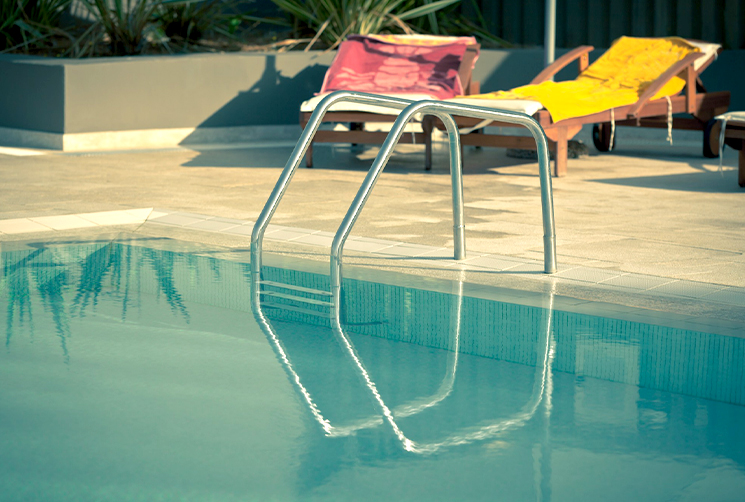
A swimming pool can look clean from a distance, but how can you tell if it has actually been cleaned properly? There may still be dirt at the bottom, marks around the tiles, or problems with the water that you cannot see. Good pool cleaning involves more than removing leaves and making the water look clear. It also includes checking the water, cleaning the pool surfaces, and making sure the equipment is working as it should.
For homeowners in Dubai, regular pool cleaning is important because dust, heat, and daily use can affect the condition of the pool. Checking a few simple things after each cleaning visit can help you understand whether the work has been done properly. It also helps you know when to ask for extra attention or professional help.
Why Is It Important to Check Pool Cleaning Quality?
Nobody wants to spend time and money on pool cleaning only to find dirt or cloudy water a day later. When important cleaning tasks are missed, small problems can turn into bigger ones. A dirty filter, poor water circulation, or incorrect chemical levels can affect the pool even when it looks fine.
Checking your pool after a service visit helps you see what has been done and whether anything needs attention. If you use professional pool cleaners Dubai homeowners rely on, reviewing the results can also help you communicate clearly with the service team and get better value from your maintenance plan.
10 Things to Check After Pool Cleaning
1. Check If the Water Is Clear
The first thing most people notice is the water. It should generally be clear enough for you to see the bottom of the pool. If the water looks cloudy or has small particles floating in it, there may be an issue with filtration, circulation, or water chemistry.
However, clear water does not always mean that the pool is safe for swimming. Water testing is still important. If the water remains cloudy after cleaning, ask your service provider to find out why instead of simply cleaning the surface again.
2. Look for Dirt at the Bottom of the Pool
Sand, leaves, and other small particles often settle at the bottom of a swimming pool. Check the corners, steps, and areas around the drains, as these spots can be missed during a quick cleaning.
Proper pool cleaning should include removing visible dirt from these areas. If you keep finding debris in the same place, the cleaning method or water circulation may need to be checked.
3. Check the Pool Tiles and Waterline
Have a look at the tiles around the edge of your pool. Sunscreen, body oils, dust, and mineral deposits can leave marks along the waterline, especially when the pool is used regularly.
Some marks can be removed with normal brushing, while others may need special treatment. Ask your pool cleaning team to check stubborn stains and use products that are suitable for your pool surface. Using the wrong cleaning products can damage the tiles or affect the water.
4. Make Sure the Water Has Been Tested
Water can look clean and still have a chemical imbalance. This is why water testing is an important part of swimming pool maintenance. It helps you understand whether the water has suitable chemical levels for swimming.
For a typical residential pool that uses chlorine, commonly recommended ranges include a pH of 7.2–7.8 and free chlorine of 1–4 ppm. The correct levels depend on the pool system and its specific requirements.
Ask your technician whether the water was tested and whether any adjustments were needed. Getting the actual readings is more useful than simply being told that the water is fine.
5. Check Whether the Pool Filter Is Clean
The filter helps remove small particles from the water. If it becomes dirty or blocked, the pool may not stay clean even if the surface is brushed and vacuumed regularly.
Ask your technician whether the filter was inspected and whether it needs cleaning. The process depends on the type of filter installed in your pool, so the manufacturer’s instructions should always be followed.
If your pool keeps becoming cloudy, a filter problem may be one of the things worth checking.
6. Listen to the Pool Pump
The pump helps move water through the filtration system. If the water is not circulating properly, dirt may collect in certain areas and the pool may become harder to maintain.
You do not need to be an expert to notice a change. Listen for unusual noises and look for obvious signs that the water flow has reduced. If something seems different, ask a qualified technician to inspect the equipment.
Regular pool cleaning should be supported by suitable equipment checks. Cleaning the pool alone will not solve a pump or circulation problem.
7. Look for Green Patches or Slippery Surfaces
Green patches, slippery areas, or unusual stains may be signs of algae or another pool problem. These signs should not be ignored just because the pool was cleaned recently.
The right treatment depends on what is causing the problem. Sometimes the water chemistry needs attention, while other cases may involve poor circulation or filtration.
If the same problem keeps coming back, ask your pool cleaning provider to investigate the cause. Removing the visible marks without addressing the underlying issue may not prevent them from returning.
8. Check the Skimmer and Pump Baskets
Skimmer baskets collect leaves and other debris before they move further into the pool system. When these baskets become full, water flow can be affected.
Ask whether the accessible baskets were checked and emptied during the cleaning visit. This is a simple task, but it can make a difference to how well the system works.
If your pool collects a lot of dust or leaves, these baskets may need attention more often. Your cleaning schedule should reflect the amount of debris entering the pool.
9. Ask for a Record of the Cleaning Work
It is easier to keep track of pool cleaning when you know what was done during each visit. A simple service report can tell you which tasks were completed and whether the technician noticed any problems.
The report may include the cleaning date, water test results, filter checks, chemical adjustments, and any repairs that may be needed. Keeping these details helps you notice repeated issues and discuss them with your provider.
You do not need a complicated report. Even a short update after each visit can help you understand the condition of your pool.
10. Check Whether Any Problems Need Further Attention
Sometimes a cleaning visit reveals an issue that cannot be fixed through normal cleaning. This could include damaged tiles, water loss, cloudy water that keeps returning, or an unusual pump noise.
Ask the technician what the problem is and what should happen next. It is also worth checking whether the repair is included in your current service plan or will cost extra.
A good maintenance routine should make it clear which tasks have been completed and which issues still need attention.
How Often Should You Check Your Pool?
The amount of care your pool needs depends on how often it is used, how much dust or debris enters the water, and the condition of the equipment. A private villa pool may need a different schedule from a pool used by many residents or guests.
As a simple routine, check the water and visible surfaces regularly. Water testing, filter cleaning, and equipment inspections should follow a schedule suited to your pool. If you notice cloudy water, algae, or dirt returning quickly, do not wait until the next scheduled visit to ask about it.
Regular swimming pool maintenance can help you catch small problems early and avoid unnecessary work later.
Questions to Ask Before Choosing a Pool Cleaning Service
Before hiring a provider, make sure you understand what the service includes. Not every package covers the same tasks, so it is worth asking a few questions before making a decision.
- Does the service include brushing, vacuuming, and removing debris?
- Are water testing and chemical adjustments included?
- Will the technician check the filter and pump?
- Can I receive an update after each visit?
- What happens if the pool needs repairs or additional treatment?
- Can the cleaning schedule be changed if the pool is used more often?
The answers will help you compare swimming pool cleaning services Dubai providers offer and choose one that suits your property’s needs.
Why Professional Pool Cleaning Can Make a Difference
Keeping a pool clean takes regular work. Between removing dirt, checking water quality, and looking after the equipment, there are several things to manage. Having a professional team handle these tasks can make pool care easier, especially for homeowners with busy schedules.
The right service should match your pool’s condition and how often it is used. Before agreeing to a package, check which cleaning tasks are included and how the provider handles problems that need extra attention.
PoolTech Dubai provides pool cleaning and maintenance services for residential and commercial properties. If you need help keeping your pool in good condition, you can learn more about its swimming pool cleaning services in Dubai.
A clean-looking pool is a good start, but it is not the only thing to check after a service visit. Look at the water, inspect the tiles and pool floor, ask about water testing, and make sure the filter and pump are being looked after. These simple checks can help you understand whether your pool is receiving the care it needs.
Regular pool cleaning and proper maintenance can make it easier to spot problems before they become bigger concerns. If you are unsure about the condition of your pool, speaking with a professional can help you decide what needs to be done next.
For help with your pool care routine, contact PoolTech Dubai to discuss your cleaning and maintenance requirements.
