
Energy-Efficient Pools vs Standard Pools: Long-Term Savings Compared
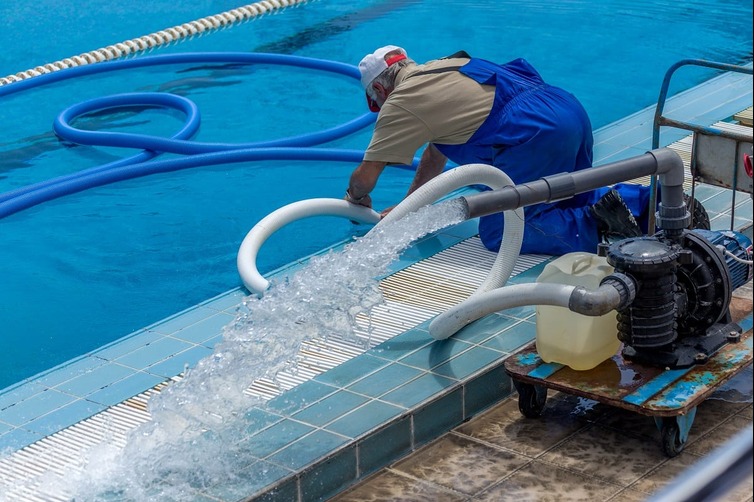
A clean-looking pool is not always a well-maintained pool. Many pool owners use the terms pool cleaning and pool maintenance interchangeably, but they are two different aspects of pool care. This article explains the difference between cleaning and maintenance, why both are essential, and how combining them helps keep your pool safe, efficient, and cost-effective in the long run. Whether you own a residential pool or manage a commercial facility, understanding these differences can help you make better decisions and avoid unnecessary repairs.
Why Understanding the Difference Matters
Swimming pools require regular attention to remain safe and enjoyable. While removing leaves from the water or brushing the pool walls improves its appearance, these tasks alone do not ensure the pool is operating correctly.
Pool maintenance goes beyond what you can see. It focuses on water chemistry, filtration systems, pumps, plumbing, and equipment performance. Ignoring these areas can lead to water quality issues, equipment failures, and expensive repairs.
Understanding the difference allows pool owners to create a balanced care routine instead of focusing only on visible cleanliness.
Pool Cleaning vs Pool Maintenance: At a Glance
Pool Cleaning | Pool Maintenance |
Focuses on keeping the pool visually clean | Focuses on keeping the pool safe and functioning properly |
Removes leaves, dirt, insects, and debris | Tests and balances water chemistry |
Includes brushing walls and vacuuming | Inspects pumps, filters, plumbing, and circulation systems |
Cleans skimmer and pump baskets | Checks equipment performance and identifies potential issues |
Improves the appearance of the pool | Improves water quality, efficiency, and equipment lifespan |
Usually carried out frequently | Performed on a scheduled basis to prevent problems |
Helps create a pleasant swimming experience | Helps prevent costly repairs and health risks |
What Does Pool Cleaning Include?
Pool cleaning is the routine process of removing visible dirt and keeping the swimming area looking inviting. Regular cleaning also helps prevent debris from affecting water circulation and filtration. Typical cleaning tasks include:
- Removing floating leaves and insects
- Vacuuming the pool floor
- Brushing pool walls and steps
- Emptying skimmer baskets
- Cleaning the waterline tiles
- Removing debris from surrounding areas
These tasks help maintain a clean appearance and reduce the amount of dirt entering the filtration system. Although cleaning is important, it only addresses the visible side of pool care.
What Does Pool Maintenance Include?
Pool maintenance focuses on the systems that keep the pool healthy and operating efficiently. Professional maintenance typically includes:
- Testing and balancing water chemistry
- Checking chlorine and pH levels
- Inspecting pumps and motors
- Cleaning or backwashing filters
- Examining pipes and circulation systems
- Inspecting pool lights and electrical components
- Identifying leaks or equipment wear
These routine checks help detect small issues before they become major problems. Unlike cleaning, maintenance protects both the swimmers and the pool itself.
Why Cleaning Alone Is Not Enough
A pool can look crystal clear while still having poor water quality. If chemical levels are not balanced correctly, swimmers may experience skin irritation, eye discomfort, or exposure to harmful microorganisms. Likewise, a pump or filter may be losing efficiency even though the water appears clean.
For example, a homeowner may vacuum the pool every week but never inspect the filtration system. Over time, reduced circulation can affect water quality and place additional strain on the equipment. This is why maintenance should always accompany regular cleaning.
Benefits of Regular Pool Cleaning
- Improve the overall swimming experience
- Reduce debris entering the filtration system
- Prevent algae from developing on pool surfaces
- Keep surrounding areas neat and hygienic
- Maintain the visual appeal of the property
Benefits of Routine Pool Maintenance
Maintenance protects your investment by ensuring every component works as intended. Regular maintenance can:
- Extend the lifespan of pool equipment
- Improve water quality
- Reduce energy consumption
- Prevent unexpected breakdowns
- Lower long-term repair costs
- Support swimmer safety
Routine inspections also make it easier to identify small problems before they affect the entire system.
How Often Should Cleaning and Maintenance Be Done?
The ideal schedule depends on factors such as pool size, weather conditions, and usage. For most residential pools:
- Surface cleaning should be done several times a week.
- Vacuuming and brushing are recommended weekly.
- Water chemistry should be checked regularly.
- Filters and equipment should be inspected according to the manufacturer’s recommendations.
Commercial pools often require more frequent cleaning and maintenance because of heavier usage and stricter hygiene standards.
Why Professional Pool Care Makes a Difference
Many homeowners handle basic cleaning themselves, but professional care provides a more complete approach.
An experienced swimming pool cleaning company in Dubai not only cleans the pool but also monitors the condition of essential systems that homeowners may overlook.
Professional services use specialised equipment and industry knowledge to maintain water quality, improve efficiency, and identify developing issues early.
This proactive approach reduces downtime and helps avoid costly emergency repairs.
Choosing the Right Pool Care Service
When selecting a company, look beyond basic cleaning. A reliable provider should offer:
- Comprehensive cleaning and maintenance plans
- Water quality testing
- Equipment inspections
- Preventive maintenance
- Transparent service schedules
- Experienced technicians
Choosing a company that provides both cleaning and maintenance ensures every part of your pool receives proper attention.
Why Pool Care Is Especially Important in Dubai
Dubai’s hot climate, frequent dust, and year-round pool usage create unique maintenance challenges. High temperatures can affect chemical balance, while wind-blown dust and sand increase the amount of debris entering the pool.
Regular swimming pool cleaning in Dubai helps keep pools looking their best, while ongoing maintenance ensures equipment performs efficiently despite demanding environmental conditions.
For residential villas, hotels, schools, and community pools, consistent care is essential to maintain safe water quality throughout the year.
Common Mistakes Pool Owners Make
Many pool owners unintentionally reduce the lifespan of their pools by:
- Assuming clear water means healthy water
- Skipping routine equipment inspections
- Waiting until problems become visible
- Ignoring recommended maintenance schedules
- Using incorrect chemical levels
Avoiding these mistakes helps reduce long-term operating costs and improves overall pool performance.
Final Thoughts
Pool cleaning and pool maintenance serve different purposes, but both are essential for keeping a swimming pool in excellent condition. Cleaning focuses on appearance by removing dirt and debris, while maintenance protects the pool’s systems, water quality, and long-term performance.
When these two services work together, pool owners enjoy cleaner water, fewer equipment issues, lower repair costs, and a safer environment for swimmers.
Whether you own a private pool or manage a commercial facility, partnering with a trusted swimming pool cleaning company in Dubai can help ensure your pool receives the complete care it needs. By combining regular swimming pool cleaning in Dubai with scheduled maintenance, you can protect your investment and enjoy a healthier, better-performing pool all year round.
FAQs
1. What is the most cost-effective type of pool?
The most cost-effective pool depends on both installation cost and long-term operating expenses. While basic pools may have a lower upfront cost, energy-efficient pools often provide better value over time due to reduced electricity usage, lower maintenance needs, and improved equipment efficiency.
2. What is the best type of pool to buy?
The best pool depends on your budget, usage, and property requirements. For homeowners looking for long-term savings, energy-efficient pools with smart pumps, efficient filtration, and automated systems are a strong choice. For commercial properties, durable designs with advanced maintenance features usually provide better performance.
3. Which type of swimming pool is best?
There is no single pool type that is best for everyone. Concrete pools offer flexibility and durability, fiberglass pools are known for easier maintenance, and energy-efficient pools provide better long-term savings. The right option depends on your lifestyle, budget, and maintenance expectations.
4. What is the cheapest pool to maintain?
Pools with efficient filtration systems, automated chemical monitoring, and energy-saving equipment are generally cheaper to maintain. Features such as variable-speed pumps, LED lighting, and proper insulation help reduce electricity costs and minimize maintenance requirements.
5. Which pool is harder to maintain?
Traditional pools with older equipment and manual systems usually require more frequent maintenance. Pools without efficient circulation, automation, or proper filtration may need more chemical adjustments and regular monitoring compared to modern energy-efficient pool systems.
